What Is the Difference Between Web Design and Web Development?
In plain English: web design is the way a website appears, feels, and directs visitors; web development means the process of building the website and making it function. Design focuses on the visual layout, user experience (UX), UI design, and branding. Development covers the coding, website functionality, site structure, and the systems behind the scenes.
For Syracuse, NY businesses, that difference matters because a beautiful site that does not load fast, work on phones, or support SEO won’t produce many leads. Likewise, a technically strong site with weak design can frustrate visitors and hurt conversions. The best results usually come from both disciplines working together, especially when you are competing in downtown Syracuse, the university area near Syracuse University, and suburban service markets across Central New York.
What Web Design Means
Web design is the inventive and strategic side of a website. It defines the page structure, creates the visual order, and determines how the interface supports the UX. Good design assists visitors grasp what you do, rely on your business, and act without confusion.
At its core, design is about communication. It uses brand presentation, colors, typography, spacing, imagery, and structure to create a cohesive brand identity. A law office, HVAC contractor, restaurant, or medical practice in Syracuse will not use the same visual style, because each audience expects a different tone and level of professionalism.
Well-crafted user experience design and user interface design make the site easier to scan, simpler to navigate, and more intuitive to use. That means buttons are easy to spot, menus are structured, forms are easy to complete, and the content drives the visitor’s next step. Design also plays a major role in usability, so people using assistive technology can interact with the site successfully.
Web designers often create mockups that show what the homepage, service pages, and contact pages will look like before any coding begins. These visuals help business owners review the direction in advance, which reduces revisions down the line. In practice, web design is less about decoration and more about making the site compelling, usable, and aligned with business goals.
What Web Development Means
Web development is the process of building that turns a design into a functioning website. It includes front-end development, back-end development, and the coding needed to make everything work across devices and browsers.
Front-end development focuses on what users see and interact with in the browser. It commonly uses HTML, CSS, and JavaScript. HTML provides structure, CSS manages presentation, and JavaScript brings interaction and dynamic behavior. Together, these coding languages animate the design to life and shape the client-side experience.
Back-end development manages the server-side systems that run the website behind the scenes. This includes server-side logic, databases, form handling, security, and integrations. If a site needs appointment booking, quote requests, ecommerce features, or member login areas, back-end development makes those systems function reliably.
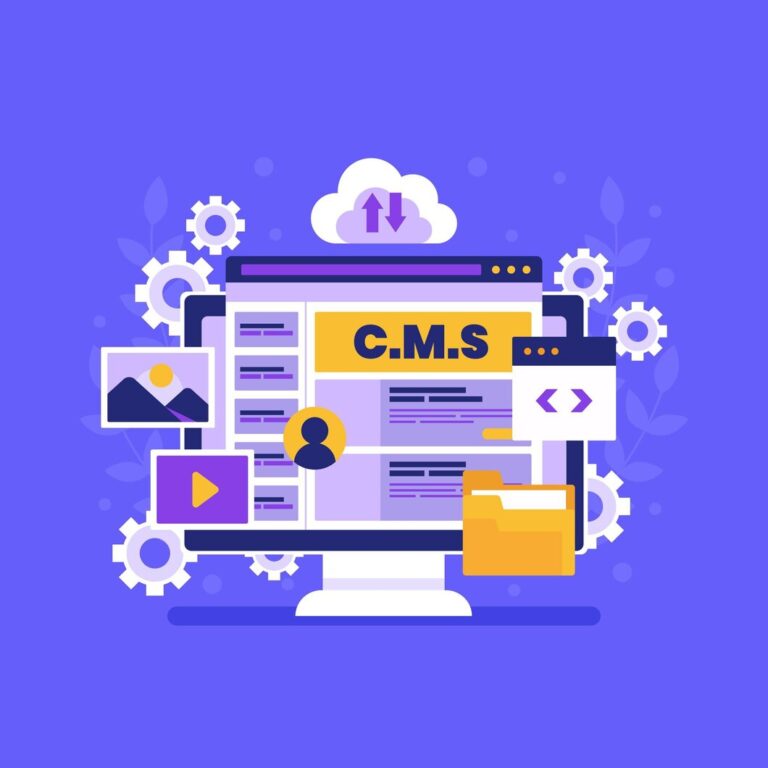
Many websites also use a content management system (CMS) so the business can update pages without touching code. WordPress is one of the most common CMS platforms for Syracuse businesses because it supports content management, flexible design, and a wide ecosystem of tools. A CMS gives teams control over blogs, landing pages, and service pages while keeping the site manageable over time.
Development also affects site speed, security, and scalability. A technically sound build can improve page speed, reduce errors, and support better mobile usability. In other words, development is not just “making it work” — it is making sure the site performs well for users and search engines.
Website Design vs Development: The Main Difference
The clearest way to describe the difference is this: web design is the creative process, and web development is the coding process. Design decides what the website should look like and how users should feel while using it. Development transforms that strategy into a live digital product.
Design is typically concerned with emotions, clarity, and flow. Development is concerned with functionality, reliability, and code quality. Design asks questions like: What should the homepage highlight first? How should the navigation be organized? What color palette fits the brand? Development asks: How do we build this layout? How do forms send data? How do we make the site responsive and stable?
This is where the gap becomes important for business owners. A site’s website functionality depends on development, but its effectiveness depends on design. If the site structure is confusing, users may leave even if the code is excellent. If the visual presentation is strong but the technical build is weak, the site may be slow, buggy, or hard to maintain.
For Syracuse companies, the best websites balance both. A local restaurant near Armory Square may need strong visual storytelling and easy menu navigation. A home services company in suburban Central New York may need fast quote forms, mobile-first layouts, and reliable lead tracking. In both cases, design and development serve different roles but share the same goal: better conversion.
How Web Design and Development Work in Tandem
The design and build process should not operate in isolation. They work best as a unified process that begins with strategy and leads to launch, testing, and improvement.
The process often begins with wireframes. Wireframes are clear page outlines that establish the structure, content positioning, and site navigation without focusing on visual polish. They help teams plan for user flow, navigation, and priority content before spending time on detailed graphics.
After that come prototypes, which are more dynamic and closer to the final experience. Prototypes help stakeholders check the logic of a page, click through key paths, and see clearly how users will move from one step to the next. They are useful for identifying friction early, especially on mobile devices where space is limited.
After design is approved, the team prepares a developer handoff. This is where files, specifications, interactions, and content requirements shift from the design phase into the build phase. A smooth handoff cuts down on confusion, accelerates implementation, and helps developers maintain the original design intent.
Good collaboration is what helps keep the final site consistent. Designers, developers, copywriters, SEO specialists, and project managers all influence the outcome. If everyone aligns on the same business goals, the result is usually more effective. In practice, collaboration enhances accessibility, performance, and the overall user journey.
Which Option Should Your Syracuse Business Require First?
For most Syracuse businesses, the right initial move depends on business goals. If your site is outdated visually, difficult to browse, or does not match your branding, design may need focus first. If the site looks fine but loads slowly, has broken forms, or does not support core features, development may be the priority.
Think about lead generation. If your website exists mainly to capture calls, form fills, bookings, or quote requests, the site must be built to convert. That means the design needs strong calls to action and the development needs reliable forms, tracking, and performance. Syracuse companies competing across downtown, university-area, and suburban service markets often need both sides done well to stand out.
Budget also matters. A small business may not need a fully custom platform on day https://oswego-ny-km917.evergrovio.com/posts/how-much-do-seo-services-in-2026 one. Sometimes starting with a thoughtful design system and a well-built WordPress site is the best move. Other times, a more custom build makes sense because the business needs specialized features, stronger automation, or room to grow.
Local competition in Syracuse and Central New York should influence the decision too. If your competitors already have fast, mobile-friendly sites and clear service pages, your website needs to meet or exceed that standard. A local business in Syracuse University’s orbit may face a different audience than a contractor serving towns across Upstate New York, but both need clarity, trust, and mobile convenience.
A useful guideline: start with the user problem, not the label. If visitors cannot understand your offer, prioritize design. If they understand it but cannot complete an action, prioritize development.
In what way SEO Services and Digital Marketing Align
seo services along with digital marketing bridge visual design and web development to actual bottom-line results. The site is not effective just because it appears polished or runs smoothly. It also needs presence, traffic, and a path to lead generation.
SEO begins with search intent. If people search for “best plumber in Syracuse” or “Syracuse dental office,” your pages need to match that intent with helpful content, organized structure, and strong page performance. Design supports this by making content easy to scan. Development supports it by ensuring search engines can crawl the site efficiently and users can access it without delay.
Technical choices affect search visibility. Speedy site performance, clean code, mobile-friendly layouts, proper headings, and accessible navigation all help. So do local signals that make it easier for Syracuse-area customers to find you. For businesses trying to rank in Syracuse-area searches, local SEO and digital marketing are often vital rather than optional.
conversion optimization ties the traffic to the business outcome. A landing page designed for paid ads, for example, should reduce distractions, center on one offer, and make the next step clear. Digital marketing campaigns often send visitors to pages where design, development, and SEO need to work together perfectly.
That is why many companies pair web design, SEO services, and digital marketing from the start. The site should not be built in a vacuum. It should support awareness, traffic, and conversion from day one.
Where AI Experts Can Improve Website Planning
AI experts can bring real value to website planning when they use AI wisely rather than as a gimmick. The biggest benefits usually show up in content strategy, automation, and personalization.
Sunstone Digital Tech201 E Jefferson St, Syracuse, NY 13202
(315) 758-3349
https://maps.app.goo.gl/LNcnKZaUXSqxHPoT8
https://sunstonedigitaltech.com/
43.0471862, -76.1504376
For content strategy, AI can help discover topic clusters, improve page ideas, and support better alignment between pages and search intent. That can make it easier to plan a site architecture that serves both users and SEO goals. It can also help teams spot content gaps before the site goes live.
Process automation can streamline repetitive work such as metadata drafting, content outlines, lead routing, and testing workflows. For a busy Syracuse business, that can save time without sacrificing quality, especially when the process still includes human review. Automation should support the team, not replace judgment.
Personalization is another major opportunity. A website can adapt content based on location, service interest, or user behavior. For example, a Central New York service company might show different messages for first-time visitors versus returning customers. That kind of relevance can improve engagement and conversion if it is implemented thoughtfully.
AI is most effective when it supports planning, not just production. When AI experts work alongside designers, developers, and marketers, they can help create smarter content workflows and a more adaptable website strategy.
Common Misconceptions About Web Design and Development
One common misconception is that a website builder is enough for every business. Website builders are useful for simple needs, but they can limit flexibility, performance, and long-term customization. A builder may be a good starting point, yet a growing business often needs something more tailored.
Another misconception is that responsive design is optional. It is not. Responsive design ensures the site adjusts to different screen sizes, from desktops to tablets and phones. For Syracuse businesses, this matters because many customers search on the go, especially when they need directions, service availability, or quick contact info across Central New York.
Many people assume a custom website is always superior to a CMS-based site. In practice, the best choice depends on the objectives, budget, and complexity of the project. A well-built WordPress site can be ideal for many local companies. A custom build may be better when the business has unusual workflows, complex integrations, or special performance needs.
Also, many owners think launch day is the end of the process. It is not. maintenance matters. Websites need upgrades, backups, security checks, plugin management, content refreshes, and occasional troubleshooting. Good hosting also plays a role in uptime and speed. Without ongoing maintenance, even a great site can become slow, outdated, or vulnerable over time.
Common Questions About Web Design and Web Development
Is web design identical to web development?
No. Web design focuses on the look, layout, UX design, UI design, branding, and content presentation. Web development focuses on coding, front-end development, back-end development, CMS setup, and website functionality. They work together, but they are different disciplines.
Do I need both web design and web development for my website?
Usually, yes. If you want a site that looks professional, works properly, and supports lead generation, you need both. Design shapes the experience, and development makes it functional, responsive, and maintainable. For most businesses, especially in competitive Syracuse markets, both are necessary for strong results.
Does web design come before web development?
Web design usually comes first. The team defines the website layout, visual hierarchy, navigation, and prototypes before development begins. After the design direction is approved, the developer handoff happens and the build phase starts. That sequence helps reduce revisions and keeps the project efficient.
How do SEO services affect web design and development?
SEO services influence both the creative and technical sides of a website. Design affects readability, engagement, and conversion optimization. Development affects site speed, mobile usability, crawlability, and technical SEO. Together, they improve search visibility and help more Syracuse-area customers find your business.
Can AI experts help with web design and web development?
Absolutely. AI experts can support content strategy, workflow automation, personalization, and project planning. They can speed up team workflows and improve decision-making, especially when combined with manual review. AI is most effective when it enhances the website process rather than taking over design or development expertise.